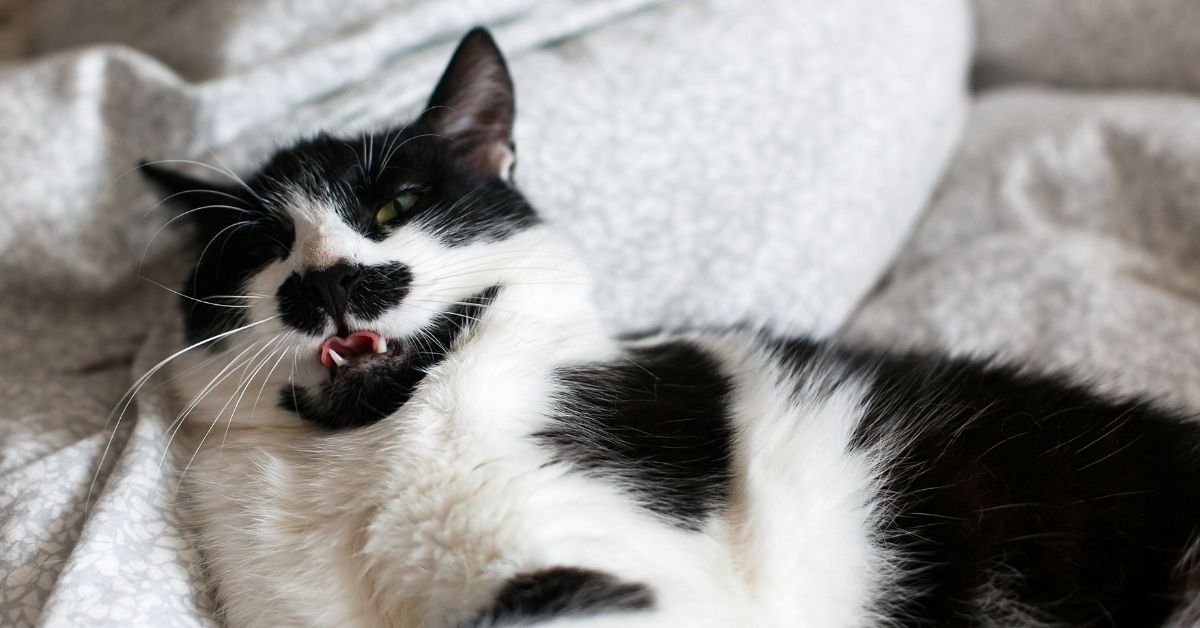
Pet Dental Care in Northfield, MN
Cannon Valley Veterinary Clinic provides dental care for dogs and cats in Northfield and surrounding Minnesota communities. Our dental services include ultrasonic scaling, polishing, and digital dental X-rays, allowing the veterinary team to evaluate visible tooth surfaces and areas hidden below the gumline.
Why Professional Dental Care Matters
Pet Dental Care FAQs
Pet owners often have questions about signs of dental disease, dental X-rays, preparation, and aftercare. These answers explain key parts of professional dentistry for dogs and cats.
What signs may indicate dental disease in my pet?
Why are digital dental X-rays important?
How should I prepare my pet for a dental procedure?
What should I expect after my pet’s dental procedure?
What Happens During a Veterinary Dental Procedure
Our veterinary team begins by reviewing your pet’s health and the planned dental care. Ultrasonic scaling is used to remove accumulated material from tooth surfaces, followed by polishing. Digital dental X-rays allow the veterinarian to assess areas beneath the gums and identify concerns that may not be visible during an oral examination.
Dental recommendations are tailored to the patient and the findings. Routine wellness and preventive care helps the veterinarian monitor oral changes over time, while other veterinary diagnostics may be considered when a pet’s overall health requires additional evaluation.
Supporting Your Pet’s Oral Health
Professional dentistry and consistent home care work together to protect oral comfort.
Dental needs differ among pets, so follow the veterinarian’s recommendations for examinations, professional care, and home routines. Changes in eating, chewing, breath, or mouth comfort should be discussed rather than dismissed as normal aging. Review our complete veterinary services for dogs and cats or request a visit if you are concerned about your pet’s teeth or gums.

At Home
Use veterinary-recommended oral care products and routines that are appropriate for your dog’s or cat’s health, temperament, and needs.
Between Visits
Watch for changes in breath, appetite, chewing, drooling, or comfort and contact the clinic when something seems different.